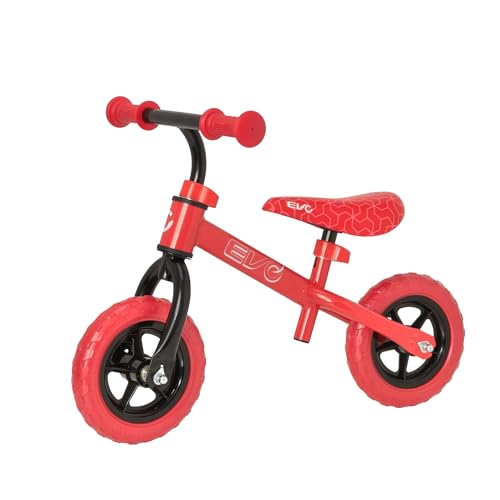
avoiding common pitfalls when choosing a balance bike for kids
Choosing the right balance bike for your child can be a daunting task, especially with the myriad of options available in 2026. While these bikes are a fantastic way to help children develop their balance and coordination without the added complication of pedals, there are common mistakes that many parents make during the selection process. This guide aims to shed light on these pitfalls and provide practical advice to ensure you choose the best balance bike for your little one.
Understanding Size and Fit
One of the most critical factors in selecting a balance bike is ensuring it is the right size for your child. A common mistake is opting for a bike that is too large, thinking it will last longer. However, if the bike is not the correct size, your child may struggle to reach the ground with their feet, which can lead to frustration and a lack of confidence. It is advisable to measure your child's inseam and compare it to the bike's seat height. The seat should ideally be adjustable and allow your child to place their feet flat on the ground while sitting.
Prioritising Weight and Construction
The weight of the balance bike plays a significant role in how easily your child can manoeuvre it. Many parents overlook this aspect, focusing solely on aesthetics or brand. Lightweight bikes are easier for young children to handle. Look for bikes made from materials such as aluminium or high-quality plastic, which provide durability without excessive weight. A bike that is too heavy can hinder your child's ability to learn balance effectively.
People Also Look For:
- SIMEIQI 12 Inch Kids Balance Bike for 2-4 Years Old Boys Girls No Pedal Toddler Bike Training Bicycle Lightweight Adjustable Handl...
- Kinderkraft 4TRIKE, foldable 3-in-1 tricycle, push trike, balance bike, pedal tricycle, lightweight aluminum frame, adjustable sea...
- Kinderkraft 2WAY Next Balance Bike, Kids First Bicycle, No Pedals, 12 inches Wheels, with Ajustable Seat, Accessories, Bag, Bell, ...
- besrey 5 in 1 Toddler Bike for 10 Month to 4 Years Old Kids, Toddler Tricycle Kids Trikes Tricycle, Gift & Toys for Boy & Girl, Ba...
- Janod J03272 "Dots Helmet For Balance Bike" Game, Pink
Evaluating Wheel Size and Type
Another common pitfall is not considering the wheel size and type. Balance bikes typically come with either rubber or foam wheels. Rubber wheels offer better traction and a smoother ride on various terrains, while foam wheels are lighter and ideal for indoor use. Consider where your child will primarily use the bike. If it will be outdoors, rubber wheels may be a better option. Additionally, larger wheels can provide a more stable ride, which is beneficial for beginners.
Checking for Safety Features
Safety should always be a top priority when selecting a balance bike. Many parents make the mistake of ignoring safety features such as brakes, handlebar grips, and frame design. Look for bikes that come with a reliable braking system, especially if your child will be riding on slopes or rough terrain. Also, ensure the handlebar grips are comfortable and non-slip, reducing the risk of accidents. A well-designed frame that allows for a lower centre of gravity can also enhance stability and safety.
Ignoring Adjustability and Growth
Children grow quickly, and a common mistake is purchasing a bike that cannot adapt to their growth. Look for balance bikes that offer a wide range of seat height adjustments. This not only extends the life of the bike but also allows for a comfortable fit as your child grows. Some models even provide adjustable handlebars, which can further accommodate your child's height as they develop their skills.
Overlooking Reviews and Recommendations
In the age of information, it is easy to overlook the wealth of reviews and testimonials available. Many parents often choose a balance bike based on brand recognition rather than user feedback. Do your research by reading online reviews and seeking recommendations from other parents. This can provide invaluable insights into the bike's performance, durability, and overall satisfaction from those who have already made the purchase.
Neglecting the Importance of Testing
Finally, one of the biggest mistakes parents make is not allowing their child to test the bike before purchase. If possible, visit a store where your child can sit on the bike and try it out. This hands-on experience will help ensure that they feel comfortable and confident, which is essential for a successful learning experience.